

Small Pauses, Big Gains

Today we dive into micro-break rituals that lower stress and boost productivity, translating cutting-edge insights into friendly, practical actions you can use immediately. Expect gentle, one-minute resets that revive focus, calm your nerves, and create momentum. Share your favorite rituals in the comments so we can learn from one another’s quick, reliable resets.

Why Brief Breaks Work

Tiny pauses interrupt the fatigue spiral, letting attention rebound and stress hormones settle. Neuroscience shows short off-ramps prevent vigilance decline and restore executive control. Think of them as maintenance for mental clarity: miniature moments that unclench shoulders, refresh working memory, and make deep work sustainable, not a heroic sprint toward exhaustion.

Core Rituals You Can Start Today

No equipment, no fuss—just reliable, one-minute tools that help you feel steadier and think more clearly. Start with one ritual, anchor it to a cue, and build consistency. These simple moves reduce friction, give your nervous system a break, and make your working hours feel kinder and far more effective.

The 20-20-20 Eye Reset

Every twenty minutes, look twenty feet away for twenty seconds. Add three slow blinks and a jaw unclench. This small visual shift softens screen strain, reduces headaches, and helps attention move from tunnel vision to flexible focus, especially late in the day when text blurs and irritability creeps in.
Box Breathing in Four Cycles

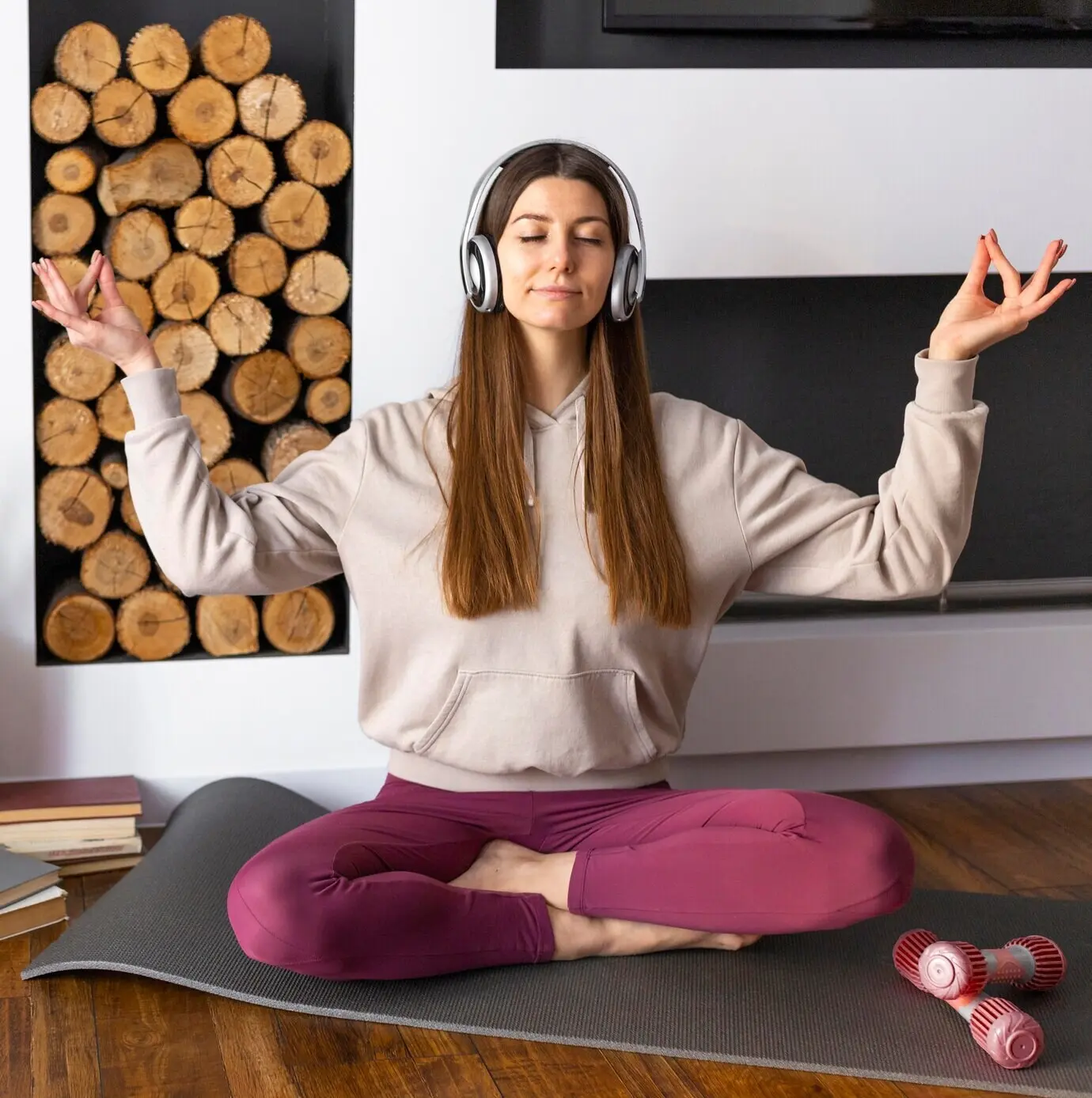
Inhale for four, hold for four, exhale for four, hold for four. Repeat slowly with shoulders lowered and tongue relaxed. This geometric rhythm steadies the breath and lowers arousal, offering a quick reset you can practice before tough calls, complex writing, or moments when adrenaline outruns clear thinking.

Desk Unfurl: Neck, Wrist, and Spine

Interlace fingers, reach overhead, and gently side-bend. Roll shoulders forward and back, rotate wrists, and draw slow circles with your nose. These tiny movements counter hunched posture, wake stabilizing muscles, and remind your body that you are not a statue, restoring comfort without drawing attention in quiet workplaces.

Scheduling That Sticks

{{SECTION_SUBTITLE}}

Cues, Timers, and Habit Stacking

Attach each micro-break to something already happening: send email, breathe; finish paragraph, stretch; switch tabs, take a sip of water. Add a gentle timer with a pleasant chime. Over time, these stacked cues become automatic, ensuring breaks appear right when strain rises and willpower feels scarce.

Choosing Intervals Without Killing Flow

Test intervals like 25/5, 52/17, or task-based milestones. If you are deep in flow, finish a natural unit, then pause briefly to lock in gains. Protect immersion while ensuring physiological relief. The goal is sustainable intensity, not choppy interruptions that dilute satisfaction and make returning to work harder.

Movement Snacks Without Leaving Your Desk

Motion clears mental fog. These quick, subtle movements reduce stiffness and boost circulation without requiring gym clothes or privacy. Done consistently, they prevent that late-afternoon slump, ease aches, and bring a surprising sense of optimism that spills back into your keyboard, code, canvas, or conversation immediately afterward.

Chair Squats and Calf Pumps

Stand, hover over your seat, and rise five times with smooth breathing. Then pump calves while holding the desk lightly. Blood flow increases, ankles loosen, and your brain receives a fresh oxygen nudge. It looks simple because it is—yet the clarity bump afterward feels reliably disproportionate to the effort.

Cross-Body Patterns to Reboot Focus

Tap your left knee with your right hand and alternate for forty-five seconds. Add gentle torso rotations and a smile you can actually feel. Bilateral movement can integrate attention, reducing jittery stress and helping you switch tasks cleanly. It also resets posture and brings unexpected playfulness to serious work.

Mini Walks That Fit in Tight Spaces

Walk to the window, count eight slow steps, open your chest, and trace a rectangle with your gaze. Pair it with two deeper breaths than usual. This tiny walk, repeated often, refreshes alertness like splashing water on your face, yet keeps you close to your responsibilities and ongoing conversations.

Mindful Moments That Calm the Noise

Mindfulness need not be mystical or lengthy. A few attentive breaths, a labeled emotion, or a two-line reflection break the autopilot loop. These micro practices reduce reactivity and invite perspective, helping you return with clarity, not just persistence. Calm becomes a competitive advantage you can train daily.

One-Minute Noting and Labeling

Quietly name what’s present: pressure, tightening chest, deadline worry. Two slow breaths, then label a helpful intention: steady, curious, kind. Research shows that affect labeling softens emotional intensity. In practice, it also prevents snappy replies, protects relationships, and keeps you capable of creative decisions under everyday workplace friction.

Gratitude, Tiny and Specific

Write one highly specific sentence of appreciation: the helpful comment, the sun patch on your desk, the colleague’s patient clarification. Specificity makes it real, interrupting scarcity thinking. Gratitude shifts physiology toward openness, allowing you to re-engage with difficult tasks feeling resourced rather than cornered, which improves follow-through significantly.

Audio Mindfulness: Breath Paired With Sound

Close your eyes, listen for the farthest sound you can hear, then notice the nearest sound—perhaps your breath. Alternate for one minute. This toggling grounds attention, reduces rumination, and gently separates you from looping thoughts. Return feeling anchored, ready to choose your next action instead of reacting impulsively.

Measure, Iterate, and Celebrate

Track just enough to learn, not to police yourself. A few notes about energy, mood, and task completion reveal patterns. Adjust rituals based on honest signals, then celebrate micro-wins publicly. Invite comments below with your best one-minute reset so we can expand our shared library of joyful practices.

Simple Tracking That Respects Privacy

Use a tiny grid with three columns: start energy, break used, end energy. Three checkmarks per day create trends without burden. You will quickly see which rituals consistently help. Keep it private or share selectively with teammates who value learning over judgment and appreciate experiments that make work gentler.

Signals Your Body Sends Before Overload

Watch for jaw clenching, rapid shallow breathing, eye strain, and compulsive tab switching. Those micro signals are early alarms inviting a quick reset. Respond kindly and promptly. It is easier to prevent a slide than to climb back from a crash, and your future self will thank you warmly.

Philhoff
Privacy Overview

This website uses cookies so that we can provide you with the best user experience possible. Cookie information is stored in your browser and performs functions such as recognising you when you return to our website and helping our team to understand which sections of the website you find most interesting and useful.