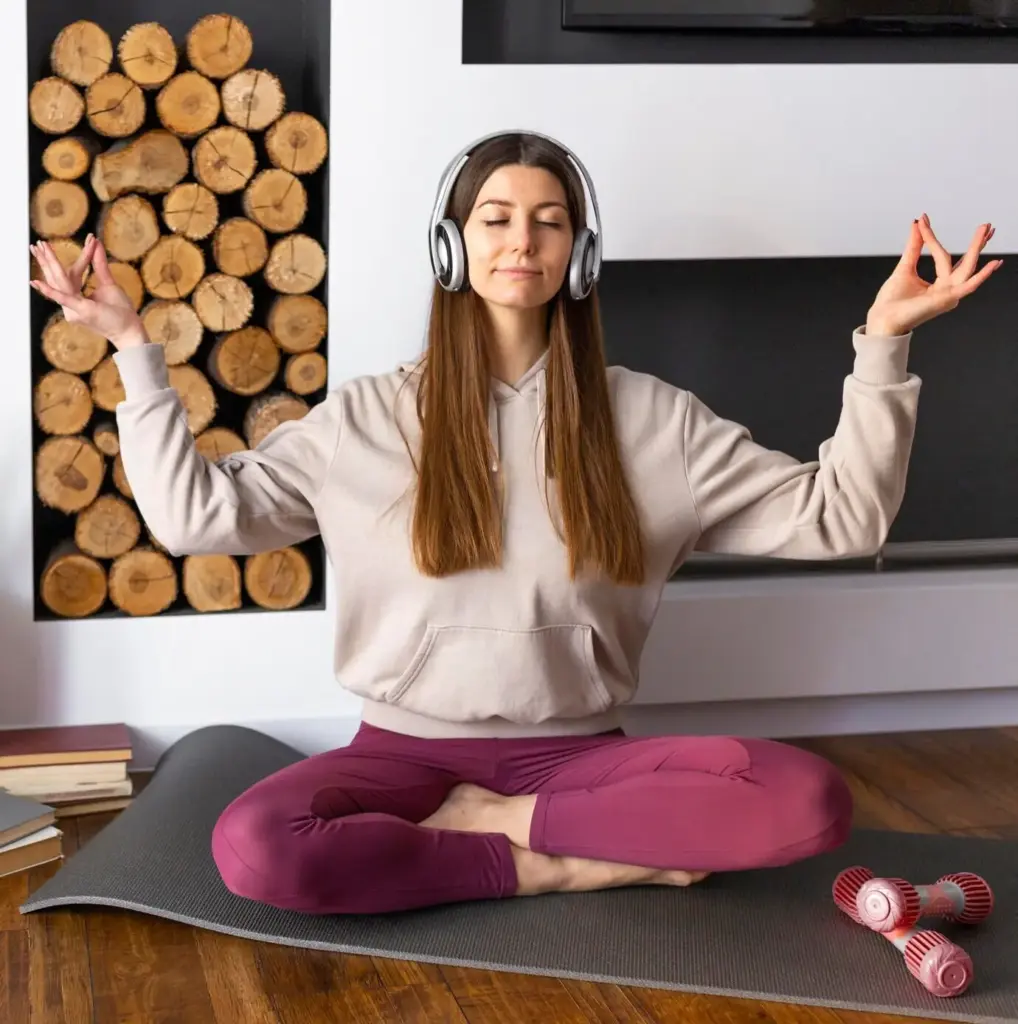
Unwind Tonight, Focus Tomorrow

Tonight we explore evening wind-down practices to prime next-day concentration, blending small, doable steps with research-informed habits that calm body and mind. Expect gentler sleep onset, clearer priorities, and steadier focus tomorrow. Experiment, note what sticks, and tell us which rituals helped you feel genuinely ready.

Design Your Evening Rhythm

Consistency trains your circadian system while leaving room for real life. Aim for a loose cadence—finish heavy meals earlier, taper stimulation, shift lighting warmer, and seal work with a brief ritual. Protect a buffer before bed where curiosity stays, urgency fades, and recovery begins.

Light, Screens, and Brain Chemistry

Evening light shapes melatonin timing and sleepiness. Blue-rich glare tells your brain it is noon; warmer, lower levels whisper it is safe to drift. Use device filters, lamp dimmers, and content boundaries. Swap doomscrolling for comforting stories or paper, and notice how thoughts soften and breathing slows.

Nutrition and Wind-Down Fuel

Satiety without heaviness helps sleep quality and morning focus. Finish large meals earlier; choose lighter, balanced snacks later if hungry. Favor complex carbohydrates and protein, limit sugar spikes, and hydrate steadily earlier. In the last hour, ease stimulation with herbal infusions and soothing, familiar flavors that comfort.

Smart Timing for Dinner and Snacks

Plan dinner so digestion settles before bed; two to three hours works for many. If you need something later, consider yogurt with berries, a banana with nut butter, or oatmeal. These provide calm energy and may support serotonin pathways that gently encourage sleep readiness.

Sips That Soothe, Not Stimulate

Opt for chamomile, lemon balm, or rooibos, and finish caffeine earlier in the afternoon to protect sleep depth. A small glass of tart cherry juice can complement evening routines. Notice how hydration timing affects wake-ups, and personalize quantity so comfort and rest stay balanced through the night.

Body Downshift: Breath and Movement

Your nervous system listens to the body’s pace. Gentle breathwork, slow mobility, or a leisurely walk can reduce sympathetic activation and invite calm. A warm shower or bath followed by a cool bedroom nudges sleep onset. Keep sessions short, consistent, and kind, emphasizing relaxation over performance.

01

Two-Minute Breathing Reset

Use a double inhale through the nose followed by a slow mouth exhale—the physiological sigh—two to five rounds. It rapidly reduces autonomic arousal. Then continue with four-second inhales and longer exhales. Notice shoulders lowering, jaw softening, and thoughts loosening their grip on urgency.

02

Slow Mobility that Unknots a Busy Day

Spend five to ten minutes on neck circles, thoracic twists, hip openers, and calf stretches while breathing steadily. Move within comfort, not striving. Release accumulated micro-tension from sitting and stress so circulation improves, aches fade, and your body signals it is ready for restorative sleep.


03

Warmth, Cooling, and Falling Asleep Faster

Enjoy a warm shower or bath about ninety minutes before bed to dilate vessels at the skin. As you cool afterward, core temperature drops, easing sleep onset. Combine with a cooler bedroom and breathable bedding so comfort lingers and awakenings are rarer and shorter.

Mind Clearing Rituals

Thoughts compete loudly at night because space finally opens. Give them structured attention, then closure. Externalize tasks, capture worries, and pick a tiny grateful detail. This simple sequence calms looping cognition and strengthens confidence that morning you will act with clarity and purpose.

Sleep Environment That Loves Focus

Design your bedroom like a sanctuary for recovery. Cool, dark, quiet, and uncluttered settings reduce micro-stress and encourage deeper sleep. Invest gradually in blackout options, comfortable bedding, and gentle scents. Keep devices out of reach so midnight impulses cannot hijack your restoration window.

Track Progress and Share the Journey

Behavior sticks when you notice wins and feel supported. Use a simple checklist or journal to capture wind-down steps, sleep quality, and next-day focus. Share your favorite rituals with our community, ask questions, and subscribe for gentle weekly experiments that keep momentum alive.

A Tiny Scorecard You'll Actually Use

Keep ratings lightweight: lights dimmed, devices parked, breathwork done, journaled, planned tomorrow, bedtime met. Add a one-line note about mood and morning clarity. Celebrate streaks, not perfection, and adjust only one variable at a time so cause and effect stay visible.

Reflective Prompts That Reveal Patterns

Once a week, answer three questions: What helped me unwind fastest? What sabotaged rest? What one tweak will I test next? Patterns emerge quickly, teaching you which inputs matter most for your cognitive stamina, emotional steadiness, and creative problem-solving the following day.
Philhoff
Privacy Overview

This website uses cookies so that we can provide you with the best user experience possible. Cookie information is stored in your browser and performs functions such as recognising you when you return to our website and helping our team to understand which sections of the website you find most interesting and useful.