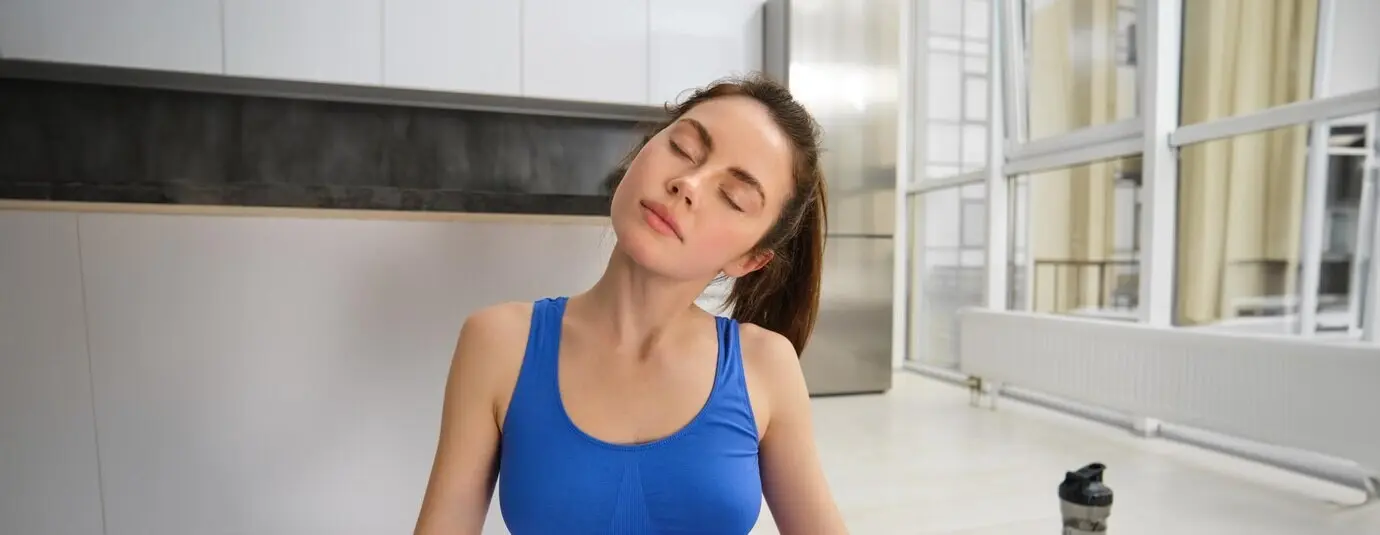
Catch Your Focus in Sixty Seconds

Today we dive into One-Minute Breathing Protocols to Reset Attention, practical ways to reclaim clarity without stepping away for long. In just sixty seconds, you can steady your nervous system, sharpen working memory, and return to deep work. Expect science-backed cues, real-world stories, and simple steps you can apply anytime you need a rapid reset.

Why Sixty Seconds Works

Short, deliberate breathing can interrupt cognitive fatigue before it becomes a spiral. Sixty seconds fits between tasks, preventing overstimulation from piling up. By adjusting carbon dioxide and exhale length, you downshift arousal, regain orientation, and reenter tasks with renewed engagement, often faster than scrolling, coffee, or switching apps. One minute grants recovery without losing momentum.

The Science Behind Quick Breath Resets

Fast relief comes from shifting blood gases and baroreceptor feedback. A deliberate double inhale followed by an extended exhale—the physiological sigh—efficiently offloads carbon dioxide, recruits alveoli, and calms limbic reactivity. Even, slow rhythms entrain the heart and reduce noradrenergic jitter that scatters working memory and task persistence.


Three One-Minute Protocols You Can Use Anywhere

Below are concise sequences designed for busy schedules and varied environments. Each takes about sixty seconds, requires no equipment, and can be adapted for comfort. Practice slowly at first, avoid straining, and consult a clinician if you have respiratory concerns. Consistency matters more than intensity.

Make It Stick During Real Life

Skills lock in when they fit ordinary routines. Pair one-minute breathing with natural transitions like opening your laptop, switching tabs, or standing up to refill water. Use subtle phone reminders, watch vibrations, or calendar notes until the practice feels automatic and genuinely helpful.

Stories From Busy Days

Real people use these minutes to reclaim momentum. A parent between errands, a developer before a review, a nurse on break; each found sharper attention without caffeine or dramatic time blocks. Their small experiments offer practical encouragement for your next challenging hour.

Measure, Reflect, and Share

Attention improves fastest when you observe what works. Keep quick notes after each minute: context, protocol, and one sentence on the effect. Over a week, patterns emerge. Share your findings with our community, ask questions, and subscribe for new practices, deeper science, and gentle accountability.

A simple one-minute log

Track date, setting, protocol used, and a quick rating of focus before and after. The act of noting reinforces the practice, and over time you will see which technique suits mornings, afternoons, or late nights, making future resets nearly effortless.

Signals that show it’s working

Look for steadier breathing after tasks, relaxed facial muscles, fewer tab switches, and a clearer sense of what to do next. These subtle markers matter more than perfection and confirm the minute is enough to reorient, recommit, and move forward meaningfully.

Join the conversation and keep exploring

Tell us which protocol you tried, where it helped, and what surprised you. Share obstacles too; your questions spark better guidance for everyone. Subscribe for weekly micro-practices and neuroscience explainers that fit real lives, and invite a friend to practice alongside you.
Philhoff
Privacy Overview

This website uses cookies so that we can provide you with the best user experience possible. Cookie information is stored in your browser and performs functions such as recognising you when you return to our website and helping our team to understand which sections of the website you find most interesting and useful.