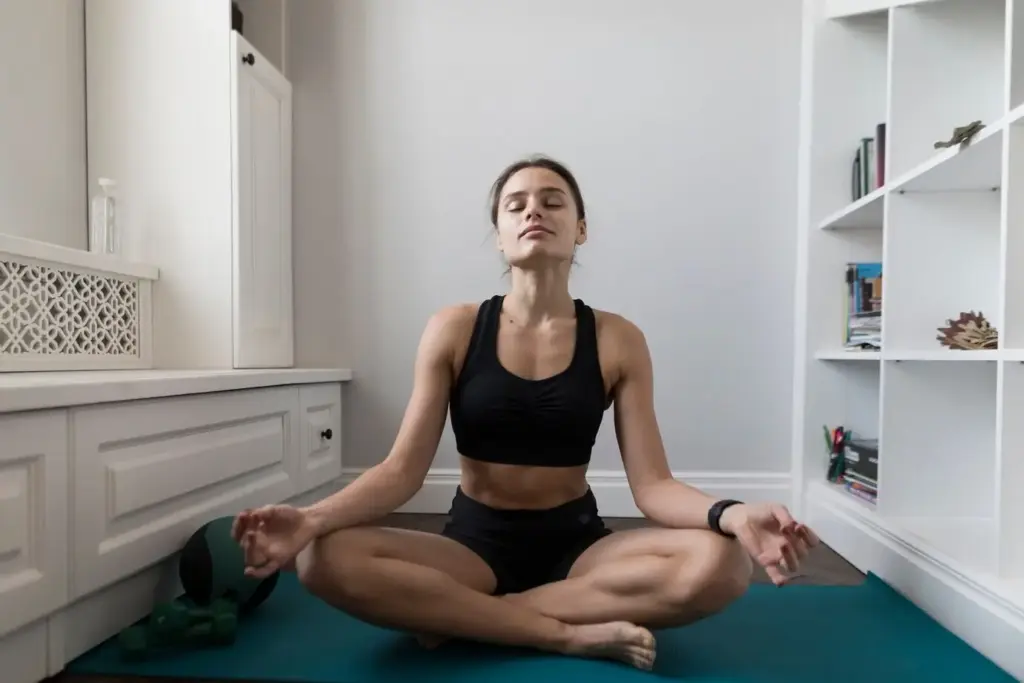
Start With One: Calm Focus That Builds Momentum

Today we dive into Mindful Single-Tasking Drills for Deep Work Beginners, offering simple, compassionate practices that help you work with clarity, attention, and calm. Expect short, structured exercises, practical safeguards against distraction, and gentle checkpoints that build sustainable progress you can actually feel.

The Two-Minute Anchor

Set a timer for two minutes and breathe slowly, counting down on each exhale. Whisper the task name once, then place your attention on the very first physical action. If the mind wanders, notice kindly, return to breath, and start the action again.

Single Sentence Intent

Write one crisp sentence that states the desired finish for this session, using a verb and a concrete output. Example: Draft the email reply to Alex with three bullet commitments. Keep the sentence visible, and read it whenever uncertainty or craving tries to pull you elsewhere.

Design a Distraction-Safe Workspace

Attention thrives when the environment nudges you toward fewer choices and gentler rhythms. We will create small barriers to common interruptions, add sensory cues that invite calm, and arrange tools so the next step feels frictionless, obvious, and satisfying to begin without delay.

Box Breathing, Soft Gaze

Inhale for four, hold for four, exhale for four, hold again for four. Slightly soften your gaze on a fixed point, relaxing the jaw and shoulders. After three rounds, name the first physical action aloud and begin, riding the calmer wave into purposeful movement.

Five Senses Scan

Pause to identify one sight, one sound, one scent, one texture, and one taste, each for a slow breath. This resets rumination by anchoring you in the present. Return to your sentence of intent and choose the smallest next motion available now.

One Task, One Timer

Structure encourages courage. By pairing a single task with a clear time container, you reduce decision fatigue and invite flow. We will experiment with durations, include brief resets, and end with tiny reflections, so your brain associates effort with relief and clarity.

The 25–50–80 Experiment

Try three options across different days: twenty-five minutes for a quick push, fifty for substantial progress, and eighty for deep immersion. Record energy, focus, and output after each. Over time, you will learn your sweet spot and plan sessions that feel natural.

Visible Timer, Gentle Chime

Use a physical or on-screen countdown with a quiet sound at the end. Seeing time pass reduces anxiety by turning the abstract into concrete. Promise yourself a stretch and a sip when it chimes, reinforcing the cycle of effort, relief, and renewed attention.

Graceful Interruption Recovery

Interruptions will happen, so design a return path in advance. With a simple marker, a breath, and a sentence, you can rejoin your work without frustration. Practicing recovery builds confidence, so each disruption becomes a brief detour instead of a derailment.

Reflect, Measure, and Grow

The Tiny Wins Log

Keep a running list of completed micro-actions, no matter how modest: saved draft, clarified outline, merged notes. Review it weekly to see momentum you would otherwise miss. This gentle record turns invisible progress into confidence and helps you choose your next step wisely.

A Simple Focus Scorecard

At the end of each day, rate clarity, distraction management, and completion with quick numbers from one to five. Add one sentence about what helped most. Over time, scores normalize emotions, spotlight helpful habits, and guide intelligent adjustments without shaming or drama.


Share Your Practice and Learn

Reply with your favorite drill, subscribe for new exercises, or invite a friend to try a session together. Social accountability strengthens follow-through, and shared stories teach nuances no checklist captures. Your experience can inspire someone else to begin with one focused breath.
Philhoff
Privacy Overview

This website uses cookies so that we can provide you with the best user experience possible. Cookie information is stored in your browser and performs functions such as recognising you when you return to our website and helping our team to understand which sections of the website you find most interesting and useful.